

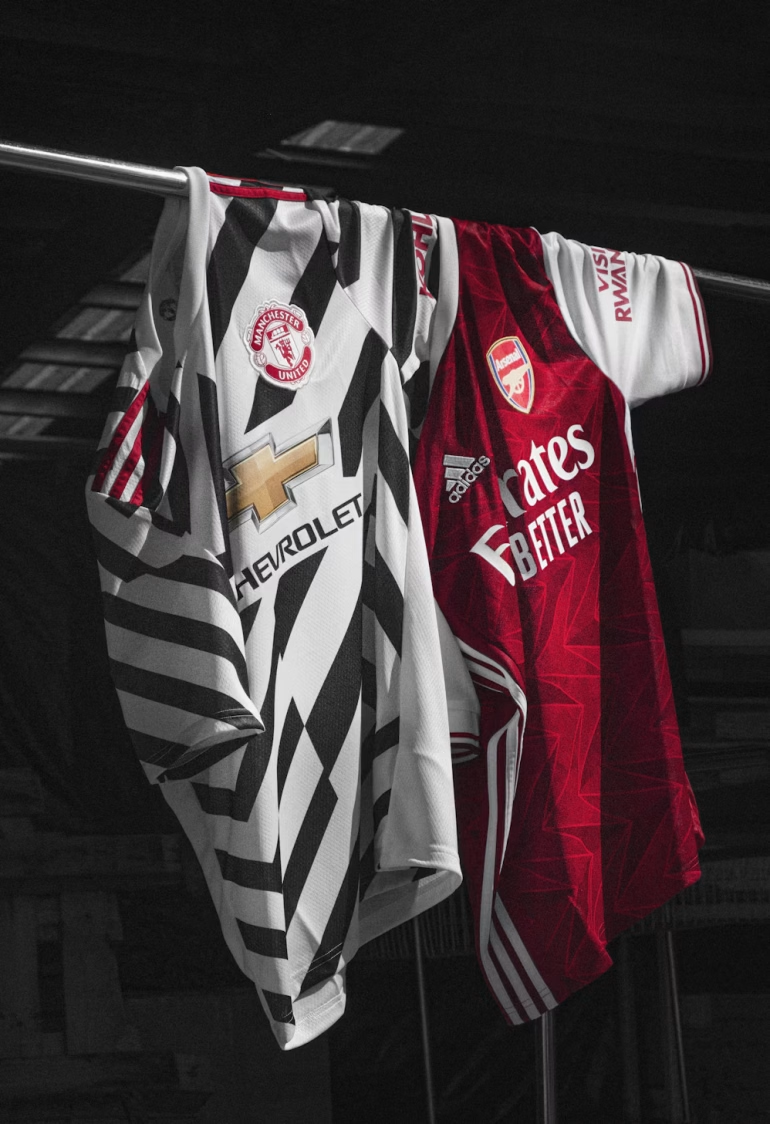
No matter what sport you watch, one thing is for certain: sponsors are everywhere. Brand names and logos are plastered across stadiums, team kits, and equipment, and sponsors play a huge role in keeping both sport and individual athletes afloat. In recent years, however, questions have been raised about the ethics of allowing certain enterprises to attach their names to some of the most watched series or events in the world. We then have to ask ourselves: who should be allowed to sponsor sport?
It is vital to think about the impact of sponsorships and advertising. Companies will not pay millions for their emblem to be featured on a t-shirt without good reason. They understand the exposure that sport can provide for them, as well as the positive associations that can be made by passionate fans if they are featured on the merchandise of their favourite club or team. Sponsorships also reinforce that both the club and the company have aligned values.
So, what happens when that sponsor is a gambling company?
It is often argued that gambling and alcohol companies promote and profit off of addiction, with betting companies in particular facing accusations of using marketing to lure people into returning to bet. This influence has not gone unnoticed in the sporting world, with the Premier League banning these sponsorships from featuring on the front of players’ shirts in 2023.
Nevertheless, they remain as present, with many teams retaining gambling companies as their lead sponsor. In some cases, they are even the title sponsor, such as in the Czech Republic, where the premier ice hockey league is sponsored by betting agency Tipsport.
Oil companies and banks’ contributions to sponsoring sport raises further questions about what sponsorship money is used for. Barclays sponsors the Premier League, the Wimbledon Championships, and Lord’s Cricket Ground among many other endeavours, but the bank is also believed to have provided over £6b in loans to companies with connections to Israel that are directly involved in the attacks on Gaza. This has prompted some fans to call for a removal of Barclays’ sponsorship in these various sports, and has left a deeply uncomfortable feeling for those who want to support athletes but not feel as if they too are complicit.
Sponsorship can also manifest as subtle foreign policy. The airline Emirates is one of the biggest sport sponsors globally, with their branding seen in football, cricket, and rugby, to name a few, and annually the company is estimated to spend millions in sponsorship deals. Emirates is a flag carrier of the United Arab Emirates and is owned by the government of Dubai, meaning the company’s branding also becomes representative of the country.

However, in reality, the UAE ranks low on the Human Freedom Index, particularly due to a lack of freedom of press and the disappearances of government critics. Sponsorship thus becomes a tool for soft power politics, and is in this case utilised to improve and promote the image of the UAE.
Without sponsors, sports worldwide would lose billions in funding, but we have to ask ourselves if there is a more ethical way to practice sponsorship. Slowly phasing out some of these sponsors that could be considered more harmful, such as betting companies, could be a good option, as it would allow time to find replacements. The hope for the future is that there can be a more conscious effort by sporting bodies to consider the knock-on effects of certain sponsorship deals, so that fans can continue to enjoy the sports they love without residual feelings of anxiety or guilt.
Photo by Braden Hopkins on Unsplash under the Unsplash license.


